
Why Are My Palm Fronds Turning Yellow or Brown? Common Palm Problems in Tampa and When to Call a Pro
Your palm tree was looking beautiful a few weeks ago. Now you’re noticing yellow streaks running through the leaves, brown tips appearing out of nowhere, or entire fronds that look like they’re drying up. Naturally, you’re wondering what’s going on. Is your palm getting too much sun? Does it need more water? Or is something happening beneath the surface?
The good news is that yellow or brown palm fronds don’t always mean your tree is dying. Sometimes it’s a normal part of growth. Other times, it’s your palm’s way of telling you something needs attention. Here in Tampa, our sandy soils, heavy summer rain, occasional cold snaps, and humidity can all influence how healthy your palms look.
Is It Normal for Palm Fronds to Turn Yellow or Brown?
Yes, older palm fronds naturally turn yellow and eventually brown as they reach the end of their life cycle. Palms grow new leaves from the center of the crown, while older fronds gradually decline. If the lowest leaves are turning brown but the upper canopy remains green, your palm may simply be shedding older growth. However, where the discoloration starts can tell you quite a bit:
- Lower fronds turning yellow: May indicate normal aging or nutrient deficiencies.
- New growth turning brown: Could suggest nutrient problems, disease, or damage to the growing point.
- Brown leaf tips: Often associated with water stress, nutritional problems, or environmental damage.
- Several fronds changing color quickly: May indicate a more serious issue.
One brown frond usually isn’t cause for concern. A rapidly declining canopy deserves a closer look.
1. Your Palm May Be Missing Important Nutrients
Nutrient deficiencies are among the most common causes of yellowing palms in Florida. Tampa’s sandy soils don’t always retain nutrients well, and heavy rainfall can wash essential minerals away. Three nutrients are especially important:
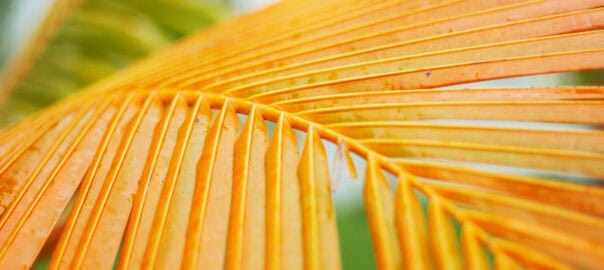
- Potassium: Deficiencies often appear as yellow or orange spots on older fronds, eventually developing into brown, dead areas.
- Magnesium: Typically causes yellow bands along the edges of older leaves while the center stays green.
- Manganese: Affects new growth, causing small, distorted leaves with brown, frizzled tips. Severe cases can threaten the palm’s survival.
The University of Florida’s guide to palm nutrient deficiencies provides helpful examples of these symptoms. Before reaching for fertilizer, remember that not every yellow leaf means the same nutrient is missing. Applying the wrong product or excessive amounts can make matters worse.
2. Too Much Water Can Be Just as Harmful as Too Little
When palm fronds turn yellow, many homeowners assume the solution is more water. Unfortunately, overwatering can cause just as much trouble. Constantly saturated soil prevents roots from getting enough oxygen and can contribute to root problems. Signs of overwatering include:
- Yellowing leaves despite frequent irrigation
- Soil that stays soggy for extended periods
- Slow growth or a generally unhealthy-looking canopy
Underwatering, on the other hand, may cause brown, crispy leaf tips and drying fronds. Newly planted palms are particularly sensitive because their roots are still establishing themselves. Check the soil before watering rather than relying entirely on a timer. Your palm needs adequate moisture, but the soil also needs to drain properly.
3. Tampa’s Weather Can Stress Your Palms
Tampa’s climate is wonderful for palm trees, but that doesn’t mean every palm thrives under every condition. Heavy summer thunderstorms can leave soil waterlogged, strong winds can damage fronds, and an occasional winter cold snap can injure tropical varieties.
Sometimes the damage doesn’t appear immediately. You might notice brown patches or declining leaves several days after particularly cold weather. Different palms also have different tolerances. A Florida-native sabal palm, for example, has different growing requirements from more tropical varieties. If discoloration appears after unusual weather, consider the timing before making major changes to watering or fertilizer.
4. Brown Fronds Could Signal Palm Disease
Not every unhealthy palm has a disease, but some conditions can progress quickly. Two problems Tampa homeowners should recognize are:
Lethal Bronzing Disease
Lethal bronzing affects several palm species in Florida. Symptoms may include premature fruit drop, flower death, and progressive discoloration of the fronds. One particularly serious warning sign is the death of the central spear leaf.
Ganoderma Butt Rot
Ganoderma butt rot is a fungal disease that damages the lower trunk. Affected palms may develop thinning canopies, wilting fronds, or general decline. A shelf-like fungal growth near the base of the trunk is an important warning sign. There is no cure for Ganoderma butt rot, and affected trees may require professional removal.
Because disease, nutrient deficiencies, and water stress can produce similar symptoms, avoid guessing based on leaf color alone.
5. Over-Trimming Can Make the Problem Worse
Here’s a mistake we see homeowners make: a palm starts turning yellow, so they remove every frond that isn’t bright green. Unfortunately, excessive trimming can weaken the tree. Palms often move nutrients from older leaves into newer growth. Removing yellow fronds too early can take away resources the palm still needs. Over-pruning also reduces the canopy and may leave the growing point more exposed.
A good rule is to leave healthy green fronds alone and avoid removing partially yellow leaves simply for appearance. Fully dead fronds can be removed when appropriate, but trimming should never damage the trunk or healthy tissue. And despite popular belief, aggressive “hurricane cuts” don’t make palm trees safer during storms.
6. Newly Planted Palms May Be Experiencing Transplant Shock
You just invested in beautiful new palm trees, and now some leaves are turning yellow. That’s understandably frustrating. Fortunately, some discoloration after planting can be normal. Transplanting disrupts the root system, and palms need time to establish themselves. During this adjustment period, older leaves may yellow or brown.
Consistent moisture and proper drainage are important, but avoid overwatering or applying fertilizer simply because the palm looks stressed. Watch for healthy new growth in the center. If the newest fronds begin dying or the entire canopy continues declining, have the planting conditions evaluated.
When Should You Call a Professional About Yellow or Brown Palm Fronds?
Some palm problems improve with simple care adjustments. Others need attention before the damage becomes permanent. Consider professional help if you notice:
- Several fronds turning yellow or brown rapidly
- New leaves emerging distorted, small, or brown
- The central spear leaf collapsing or pulling loose
- Significant discoloration despite appropriate watering
- Fungal growth around the trunk
- A palm leaning unexpectedly or appearing unstable
- Continued decline after transplanting
Large dead fronds hanging over roofs, driveways, or walkways can also create safety hazards. Avoid climbing or attempting to remove heavy overhead fronds yourself.
Keep Your Tampa Palms Healthy and Looking Their Best
A few yellow leaves might be nothing to worry about, but knowing when something needs attention can make all the difference. Proper watering, suitable nutrients, careful trimming, and the right growing conditions help palms remain healthy.
At Oasis Palms & Landscaping, we help Tampa homeowners with palm tree selection, installation, trimming, and tropical landscaping. Whether you’re concerned about an existing palm or planning something new for your yard, we’re happy to help. Have questions about your palms? Contact our team to discuss your property and request a free estimate.