
Irrigation System Basics: How to Keep Your Landscape Watering Efficiently Without Wasting Money
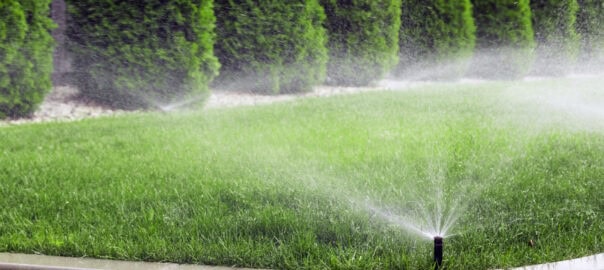
Tampa sun does not mess around. One week your lawn looks like a golf course, and the next it is patchy, stressed, and begging for water while your bill climbs higher than it should. Most of the time the problem is not how much water your landscape needs, it is how that water is actually getting delivered.
A well-tuned irrigation system can cut your water use dramatically while making your grass, palms, and shrubs healthier than they have ever been. Getting there just means understanding a few basics, spotting the habits that waste money, and knowing which upgrades actually make a difference. None of this requires a landscaping degree, just a little insight into how water, soil, and equipment interact in a Florida climate.
Why Tampa Lawns Drink More Than You Think
Florida landscapes face a unique combination of heat, humidity swings, and sandy soil that does not hold moisture the way denser soils do in other parts of the country. That means water moves through the ground fast, sometimes before your grass has a chance to absorb it. Add in summer storms that dump inches of rain in an afternoon followed by weeks of dry heat, and it is easy to see why so many systems end up either overwatering or underwatering without anyone noticing. Palm trees only complicate things further, since their root systems behave very differently than turf grass and often get watered on the wrong schedule entirely.
- Sandy soil drains quickly, so shorter, more frequent cycles often work better than long soaks
- High humidity can trick homeowners into thinking their lawn needs less water than it actually does
- Afternoon thunderstorms mean a rigid watering schedule often works against the weather instead of with it
- Wind and heat increase evaporation, especially during midday watering
The Anatomy of a Smart Irrigation Setup
Every irrigation system is really just a handful of parts working together, and when even one of them is outdated or mismatched, the whole system loses efficiency. Knowing what each piece does makes it a lot easier to spot where money is leaking out of your setup. Most homeowners never think about these components until something breaks, but a little familiarity goes a long way toward catching small issues before they become expensive ones.
Sprinkler Heads
These control where and how water lands. Mismatched heads, ones spraying too far or too short, are one of the most common reasons landscapes end up with dry patches next to soggy ones. Over time, heads also settle, tilt, or get blocked by growing plants, which throws off coverage even when the system was installed correctly.
Drip Lines
Drip irrigation delivers water directly to the root zone of shrubs, palms, and garden beds with almost no evaporation loss. It is one of the most efficient tools available for anything that is not turf, and it also keeps foliage dry, which cuts down on fungus and leaf disease.
Controllers and Timers
The controller is the brain of the operation. Older timers run on a fixed schedule no matter what is happening outside, while smart controllers adjust automatically based on rainfall and soil conditions.
Rain Sensors
A rain sensor shuts the system off when Mother Nature has already done the job. Without one, your sprinklers might still be running full blast in the middle of a downpour.
Common Watering Mistakes That Quietly Drain Your Wallet
Most water waste is not dramatic. It is small, repeated habits that add up month after month without ever showing up as an obvious problem until the bill arrives. These are the ones our crews spot most often around Tampa properties, and fixing even two or three of them can noticeably change your monthly usage.
- Watering every day out of habit rather than actual need
- Running the system at midday when evaporation is at its highest
- Leaving broken or clogged heads unfixed for weeks at a time
- Using the same schedule for shady areas and full-sun areas
- Ignoring seasonal changes and watering the same amount in December as in July
Timing Is Everything (And Most People Get It Wrong)
The clock matters just as much as the equipment. Watering between four and eight in the morning gives grass and plants time to absorb moisture before the heat of the day burns it off, and it keeps foliage from staying damp overnight, which helps prevent fungus and disease. Evening watering feels convenient, but it leaves leaves and soil wet through the night, creating exactly the conditions that fungal problems love.
Most established Tampa lawns only need water two or three times a week, not daily. Deep, less frequent watering trains grass roots to grow further into the soil, which makes the whole landscape more drought resistant and less dependent on constant irrigation in the first place. Newly installed sod or fresh plantings are the exception, since they need more frequent watering until their root systems settle in.
Simple Upgrades That Pay for Themselves
Small changes to an existing system often make a bigger difference than people expect, and most of them cost far less than replacing the entire setup. Here is where we typically see the fastest return on a Tampa property.
- Swap old spray heads for high-efficiency nozzles that reduce water use without sacrificing coverage
- Convert garden beds and palm zones from spray to drip irrigation
- Separate turf and plant beds into their own zones instead of watering everything on one schedule
- Add a smart controller that adjusts automatically for rain and seasonal changes
- Schedule a seasonal system check to catch leaks, broken heads, or misaligned sprinklers before they waste months of water
Let’s Get Your System Working Smarter, Not Harder
A landscape that looks vibrant without draining your bank account is not luck, it comes down to a system built and maintained the right way. Oasis Palms and Landscaping has spent years helping homeowners and businesses across the Tampa area get more out of every drop, from palm-friendly drip setups to full irrigation tune-ups. Our team knows how local soil, heat, and rainfall patterns actually behave, which means the recommendations we make are built for your property, not a generic checklist.
If your yard has been thirsty, patchy, or just costing more than it should, request a free quote and let’s build a watering plan that actually works for your property.